

Why Shop at Multi-Brand Clothing Stores
Table of Contents
- What Multi-Brand Clothing Stores Offer
- How Multi-Brand Retailers Shape the Shopping Experience
- Convenience and Discovery in One Place
- Tips for Building a Versatile Wardrobe Across Brands
- How to Find the Best Online Clothing Stores for Your Needs
- How to Mix and Match Clothing Brands Effectively
- The Real Advantages and Challenges
- Frequently Asked Questions
Last Updated: September 2, 2026
What Multi-Brand Clothing Stores Offer
Multi-brand clothing stores are retail destinations that curate and sell apparel and accessories from multiple fashion labels under one roof or online platform. Unlike single-brand boutiques that focus exclusively on one designer's collection, multi-brand retailers offer a diverse selection spanning different price points, styles, and aesthetics. This curated assortment approach gives shoppers access to a wider range of options without visiting numerous separate stores.
The appeal lies in convenience and discovery. When you shop at multi-brand clothing stores, you're essentially browsing a carefully edited retail ecosystem designed to simplify your shopping journey. These retailers act as gatekeepers, selecting which brands and styles merit shelf space or digital prominence. At World of Dreamy, we understand this curator role, our online platform brings together versatile fashion choices for men, women, and children, from swimwear and hoodies to accessories, all in one destination.
What makes multi-brand retailers distinct is their merchandising philosophy. Rather than pushing inventory depth in a single brand, they prioritize breadth and discovery. You might find luxury labels alongside emerging designers, established heritage brands next to contemporary upstarts. This mixing creates opportunities for customers to experiment with new brands they might not have discovered otherwise.
The inventory management challenge is real, though. Multi-brand retailers must balance stock across dozens, sometimes hundreds, of brands. This requires sophisticated demand forecasting and supply chain coordination. But when executed well, it creates a retail landscape where customers feel like they're uncovering something special with each visit.
How Multi-Brand Retailers Shape the Shopping Experience
The shopping experience at multi-brand clothing stores differs fundamentally from single-brand retail. Instead of walking into a space designed to tell one brand's story, you enter a curated environment where multiple narratives coexist. This shapes how customers browse, discover, and ultimately decide what to buy.
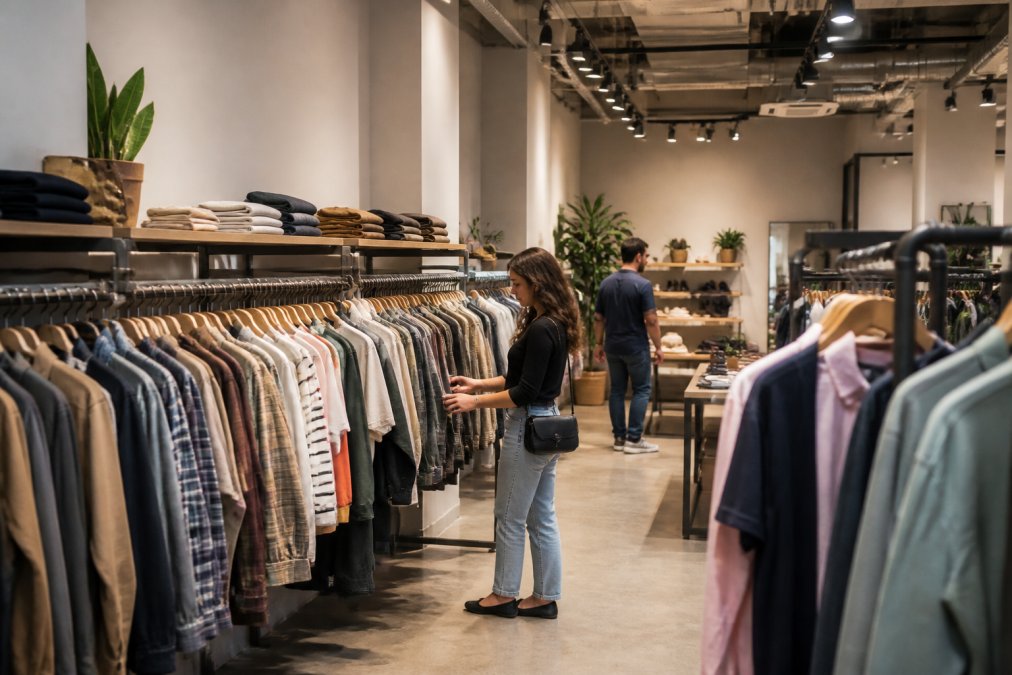
Merchandising becomes the storyteller. Multi-brand retailers arrange products thematically, by occasion, color palette, lifestyle, or trend, rather than by brand. You might see a winter coat from Brand A displayed next to boots from Brand B and accessories from Brand C, all curated to work together. This cross-brand styling approach helps customers visualize outfits they might not have considered if brands were segregated.
The treasure hunt element is real and intentional. Many shoppers describe multi-brand retail as a discovery experience. You arrive looking for one thing and leave with something unexpected because you stumbled upon a brand or style you didn't know existed. This hedonic shopping aspect, the pleasure of exploration and surprise, keeps customers returning.
Staffing and expertise also shift. Rather than specialists trained on a single brand's fit, fabrics, and philosophy, multi-brand retail staff must understand multiple brands' positioning and how they compare. This requires different training and creates different customer interactions. A skilled associate can help you navigate brand differences and find the right fit across multiple labels.
Convenience and Discovery in One Place
Shopping at multi-brand clothing stores solves a practical problem: you don't have to visit five different stores to find what you need. This convenience factor is especially valuable for busy shoppers, parents building wardrobes for their whole family, and anyone seeking variety without the time investment.
The omnichannel advantage compounds this benefit. Many multi-brand retailers now blend physical and digital experiences. You can browse online, check inventory across locations, and pick up in-store. Or you can try items in-store and order online for delivery. This flexibility matches modern shopping behavior, where the line between online and physical retail has blurred entirely.
Discovery happens more efficiently too. Instead of scrolling through dozens of brand websites independently, you encounter curated selections in one place. The retailer has already filtered for quality, style alignment, and value. This curation saves time and reduces decision fatigue, you're choosing from pre-vetted options rather than an infinite universe of possibilities.
For families, the convenience multiplies. Parents shopping for themselves, their partners, and children can handle multiple wardrobes in one visit or shopping session. World of Dreamy's approach of offering diverse selections across categories and sizes, including Big & Tall options, reflects this family-focused convenience. One destination covers more needs.
The price discovery advantage is often overlooked. Multi-brand retailers typically offer competitive pricing across brands because they buy in volume (the FTC). You see side-by-side pricing for comparable items from different labels, making it easier to identify value. This transparency helps shoppers make informed decisions without hunting across multiple sites.
Tips for Building a Versatile Wardrobe Across Brands
Building a versatile wardrobe using multiple brands requires intentional strategy. The goal is cohesion, pieces that work together despite coming from different sources.
Start with a neutral foundation. Choose 2-3 neutral brands or styles you genuinely like for basics: white tees, dark jeans, neutral sweaters. These foundation pieces should feel comfortable and fit consistently. They become your reliable baseline. From there, introduce color and personality through other brands. This approach prevents your closet from feeling disjointed.
Understand fit consistency within each brand. Every brand sizes differently. Once you identify your size in a particular brand, stick with it for future purchases. Keep notes on fit quirks, does this brand run small? Is the sleeve length generous? This knowledge accelerates future shopping and reduces return rates.
Mix price points strategically. You don't need every piece to be premium. Combine investment pieces from higher-end brands with trend-driven items from accessible labels. A quality blazer from one brand pairs perfectly with a trendy tee from another. This mixing stretches your budget and keeps your wardrobe feeling current without overspending.
Create outfit combinations before buying. When considering a new piece, visualize it with items already in your closet. Does it work with your existing color palette? Can you create at least three different outfits with it? If the answer is no, pass. This intentionality prevents impulse purchases that don't integrate into your existing wardrobe.
Pay attention to fabric and care requirements. Different brands use different materials and have different care instructions. Mixing brands means managing different washing and maintenance needs. Prioritize pieces with similar care requirements to simplify laundry day.
How to Find the Best Online Clothing Stores for Your Needs
Finding the right multi-brand online clothing store depends on what you're actually looking for. Different retailers specialize in different customer segments and style aesthetics.
Start by defining your priorities. Are you seeking specific brands? A particular price range? Certain categories like swimwear or hoodies? Do you need extended sizes? Your priorities narrow the field significantly. A store perfect for trendy basics might not serve someone seeking sustainable fashion or niche brands.
Evaluate the brand portfolio. Look at which brands each retailer carries. Do they align with your style preferences? Are they brands you already know and trust, or do they include discovery opportunities? The brand mix tells you whether the retailer matches your shopping goals.
Check sizing transparency. This matters enormously for online shopping. Does the store provide detailed size charts? Do they explain how each brand fits? Can you access customer reviews mentioning fit? Transparent sizing information reduces return rates and frustration.
Review the return policy. Online shopping always carries return risk. Clear, hassle-free return policies matter. How long is the return window? Is return shipping free or paid? What condition must items be in? These details affect whether shopping feels low-risk or stressful.
Look for styling resources. The best multi-brand retailers go beyond product listings. Do they offer styling guides, outfit inspiration, or curated collections? These resources help you navigate the breadth of options and discover combinations you might not have considered independently.
Consider customer service quality. Can you reach someone with questions about fit or product details? Do they respond quickly? Good customer service becomes especially valuable when navigating multiple brands with different fit profiles.
How to Mix and Match Clothing Brands Effectively
Mixing brands effectively is an art that creates more outfit possibilities from fewer pieces.
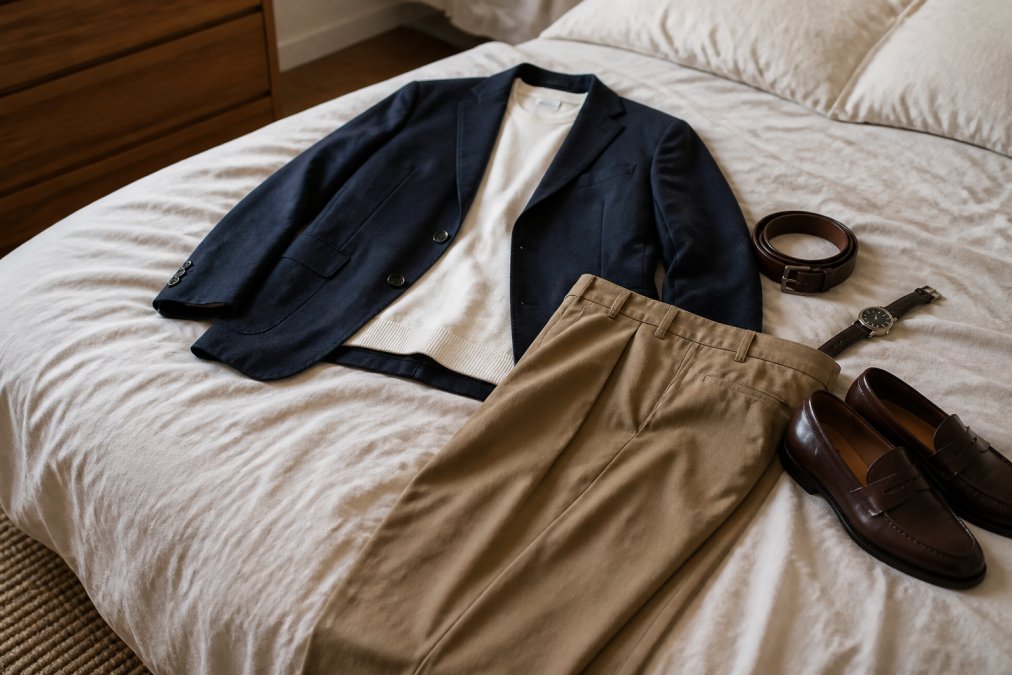
Start with color coordination. This is the easiest way to ensure mixed-brand pieces work together. Stick to a cohesive color palette. If your foundation is neutrals plus jewel tones, every brand you shop from should fit that palette. This approach guarantees pieces will coordinate regardless of brand.
Match style energy, not necessarily brands. Some brands feel classic and minimal. Others feel trendy and bold. Mixing a classic blazer from one brand with trendy pieces from another works only if the overall energy feels intentional. A minimalist aesthetic clashes with maximalist pieces, even if they're the same color.
Use accessories to bridge brand differences. A great bag, belt, or shoes can unify an outfit made from different brands. Accessories often feel more cohesive across brands because they're less about fit and more about style. Strategic accessory choices make mixed-brand outfits feel intentional rather than random.
Layer strategically. Layering is your friend when mixing brands. A neutral base layer, a mid-layer from one brand, and an outer layer from another create visual separation that helps the outfit feel planned. This approach also maximizes outfit combinations from the same pieces.
Create outfit templates. Develop 3-4 basic outfit formulas that work for your lifestyle: casual, work, weekend, evening. Once you have working templates, fill them with different pieces from different brands. Templates provide structure that makes mixing feel cohesive rather than chaotic.
Test combinations at home first. Before wearing a new piece, try it with existing items. Take photos if needed. This practice-run approach prevents wearing something that doesn't quite work and helps you identify gaps in your wardrobe before shopping.
The Real Advantages and Challenges
Multi-brand clothing stores offer genuine advantages that explain their popularity, but they come with real tradeoffs worth understanding.
The advantages are substantial. Convenience is primary, one destination replaces multiple shopping trips. Discovery happens naturally when browsing curated selections. Price competition between brands keeps pricing competitive. The breadth of options means something exists for nearly every taste and budget. For families, the ability to shop for multiple people in one place saves significant time. The retail ecosystem these stores create reduces decision fatigue by pre-filtering options.
The challenges are equally real. Inventory management is complex and expensive (sba.gov). Retailers must maintain stock across dozens of brands, which increases carrying costs and return rates. Returns are higher in multi-brand retail because customers are trying new brands they're unfamiliar with (peer-reviewed research). Quality control becomes harder, the retailer can't control every brand's production standards. Sizing inconsistency across brands frustrates customers and increases return rates.
Customer loyalty is harder to build. Single-brand stores develop deep relationships with customers who love that brand. Multi-brand retailers compete on convenience and curation, not emotional connection to a specific brand. This means customers might leave for a competitor offering better curation or pricing on the same brands.
The sustainability angle cuts both ways. Multi-brand retail consolidates inventory, reducing the total number of physical stores needed. That's efficient. But the breadth of options can encourage overconsumption, it's easier to buy more when everything is in one place. Shipping and returns also create environmental costs in online multi-brand retail.
For retailers, the margin dynamics are challenging. They buy from multiple brands at wholesale, competing with those brands' direct-to-consumer channels. Brands increasingly sell directly online, which pressures traditional multi-brand retailers' margins. Survival requires strong curation and customer experience to justify the middle-person role.
Shopping at multi-brand clothing stores works best when you approach it strategically. You benefit most when you have clear style preferences, understand your sizing across brands, and treat the shopping experience as curation rather than unlimited choice. The convenience and discovery potential are real, but only if you shop intentionally.
At World of Dreamy, we've built our online retail destination around this principle. Our diverse selection of apparel and accessories for men, women, and children, from swimwear and hoodies to tees and headwear, is curated to give you variety without overwhelming choice. Combined with our exclusive Dreamy Origins collection and our current 25% discount offer, we make it easier to build a versatile wardrobe without visiting multiple stores. Start exploring how multi-brand shopping can simplify your wardrobe building today.
| Aspect | Multi-Brand Stores | Single-Brand Boutiques |
|---|---|---|
| Selection Breadth | Wide variety across brands and styles | Deep focus on one brand's aesthetic |
| Shopping Convenience | One destination for multiple brands | Must visit multiple locations |
| Discovery Potential | High, exposure to unfamiliar brands | Limited, focused on known brand |
| Price Comparison | Easy to compare across brands | No comparison available |
| Fit Consistency | Varies by brand | Consistent within brand |
| Curation Level | Pre-filtered by retailer | Brand-controlled entirely |
| Return Complexity | Higher due to multiple brands | Simpler, single brand standards |
| Loyalty Building | Harder, loyalty to retailer, not brand | Easier, emotional brand connection |
Frequently Asked Questions
Q: What do you call a store that sells multiple brands?
A: A multi-brand clothing store (also called a multi-brand retailer or fashion retailer) is a retail destination that carries apparel and accessories from many different brands under one roof. Unlike single-brand boutiques, these stores curate assortments from various designers and labels, giving shoppers access to diverse styles, price points, and aesthetics in one location. Online multi-brand platforms like World of Dreamy function the same way, offering a curated selection of multiple brands for convenient shopping.
Q: Why do consumers prefer shopping at stores with multiple brands?
A: Shoppers prefer multi-brand stores because they save time, discover new styles, and find better value. Instead of visiting five different websites or stores, you can complete your entire wardrobe shopping in one place. The retail ecosystem of curated assortments means you're exposed to brands you might not have found otherwise, and the competitive environment often drives better pricing. Plus, the treasure hunt experience of discovering unexpected pieces keeps shopping engaging.
Q: How does shopping at a multi-brand retailer save time?
A: Multi-brand retailers consolidate your shopping journey. Rather than jumping between single-brand sites for different styles, one for basics, another for statement pieces, a third for swimwear, you can browse everything from one digital storefront. This omnichannel convenience means faster checkout, consistent customer service, unified returns, and no need to create multiple accounts or track separate orders. For families shopping for kids, adults, and different occasions, the time savings multiply quickly.
Q: What are the advantages of curated multi-brand fashion platforms?
A: Curated platforms like World of Dreamy combine the breadth of multi-brand inventory with intentional curation, meaning the selection is thoughtfully chosen rather than overwhelming. Advantages include access to exclusive collections (like Dreamy Origins), competitive pricing through promotional discounts, and a cohesive shopping experience designed around customer needs. This approach balances variety with quality control, ensuring every brand in the assortment meets standards for style and durability.
This article was written using GrandRanker
Leave a comment