

Shop Sustainable and Affordable Apparel: 2026 Guide
Table of Contents
- Quick Comparison: Sustainable Apparel at a Glance
- How to Build a Sustainable Capsule Wardrobe
- Ethical Fashion Certifications Explained
- Sustainable Fashion on a Budget: Cost-Per-Wear and Smart Shopping
- Top Sustainable and Affordable Apparel Picks
- Size Inclusivity and Fit in Sustainable Fashion
- End-of-Life Garment Management: Donate, Repair, Recycle
- Conclusion: Building a Wardrobe That Lasts
- Frequently Asked Questions
Last Updated: September 16, 2026
Quick Comparison: Sustainable Apparel at a Glance
You can shop sustainable and affordable apparel without paying a premium if you know which certifications matter and how to judge cost-per-wear instead of sticker price. This guide covers the certifications, fabrics, and habits that separate real sustainable fashion from greenwashing.
| Approach | Typical Cost | Best For | Watch Out For |
|---|---|---|---|
| Certified organic cotton basics | $50-$60 per piece | Everyday wear, high rotation | Greenwashing claims without certification |
| Secondhand and thrift finds | Varies by market | Statement pieces, one-off styles | Limited sizing, no traceability |
| Capsule wardrobe building | Higher upfront, lower per wear | Long-term cost savings | Requires discipline to avoid impulse buys |
| Repair and upcycle | Low per fix | Extending garment life | Needs basic sewing skills |
How to Build a Sustainable Capsule Wardrobe
A sustainable capsule wardrobe is a small, curated set of versatile garments, usually 30 to 40 pieces, that mix and match across seasons and occasions.
- 5 to 7 tops in solid colors
- 3 to 4 bottoms that fit your daily routine
- 2 layers for temperature changes
- 1 to 2 statement pieces for personality
- Shoes and accessories that match at least three outfits each
Ethical Fashion Certifications Explained
The certifications worth checking first:
- GOTS (Global Organic Textile Standard): Verifies organic fiber content and tracks the supply chain from field to finished product.
- Fair Trade Certified: Confirms fair wages and safe working conditions at the manufacturing stage.
- OEKO-TEX Standard 100: Tests finished textiles for harmful substances.
- B Corp: Certifies a company meets social and environmental performance benchmarks.
The FTC Green Guides set the rules for how environmental marketing claims can be made, which is why vague "green" language without a named certifier is a red flag.
Sustainable Fashion on a Budget: Cost-Per-Wear and Smart Shopping
Cost-per-wear is purchase price divided by wears. A $50 organic cotton tee worn 100 times costs $0.50 per wear; a $15 fast-fashion tee worn five times costs $3.00 per wear.
The full ownership-cost formula
True cost per wear = (purchase price + repair costs − resale value) ÷ total wears.
Run it on two tees:
- Fast-fashion tee: $15 purchase, worn 8 times before it pills or fades, $0 resale. That's $1.88 per wear.
- Certified organic tee: $50 purchase, worn 150 times over three years, one $8 seam repair, resold for $10. That's ($50 + $8 − $10) ÷ 150 = $0.32 per wear.
How to estimate wears before you buy
Estimate it with three inputs:
- Rotation frequency. How often will this piece enter your weekly rotation? A neutral tee worn twice a week for two years is about 200 wears; a statement piece worn monthly for two years is about 24.
- Construction signals. Taped shoulder seams, reinforced hems, and higher fabric weights (ounces per square yard, or oz) extend usable life. A 10oz cotton hoodie outlasts a thin 6oz blend in the same rotation.
- Fabric behavior. Natural fibers like organic cotton and bamboo cotton hold shape and color better than low-cost synthetic blends, which pill and fade faster.
Resale value changes the math
Durable, recognizable pieces hold resale value on secondhand marketplaces, offsetting your next purchase: a hoodie that resells for $20 after two years effectively cost $20 less than sticker price. Trend-driven fast-fashion pieces resell for a fraction of retail, if at all.
Smart budget moves that actually move the number
- Buy off-season. Winter layers bought in spring and summer tees bought in fall carry the steepest markdowns.
- Stack promotions onto reasonable base prices. A 25% discount on a $50 tee drops the effective price to $37.50.
- Prioritize versatile pieces. A garment matching at least three existing outfits gets worn more.
- Factor in repair. A $10 fix that adds a year of wear beats replacing the item.
- Check resale listings first. If similar pieces from the same brand resell well, ownership cost is lower than the sticker suggests.
This is where quality over quantity becomes arithmetic: the cheapest garment at checkout is rarely the cheapest to own.
Top Sustainable and Affordable Apparel Picks
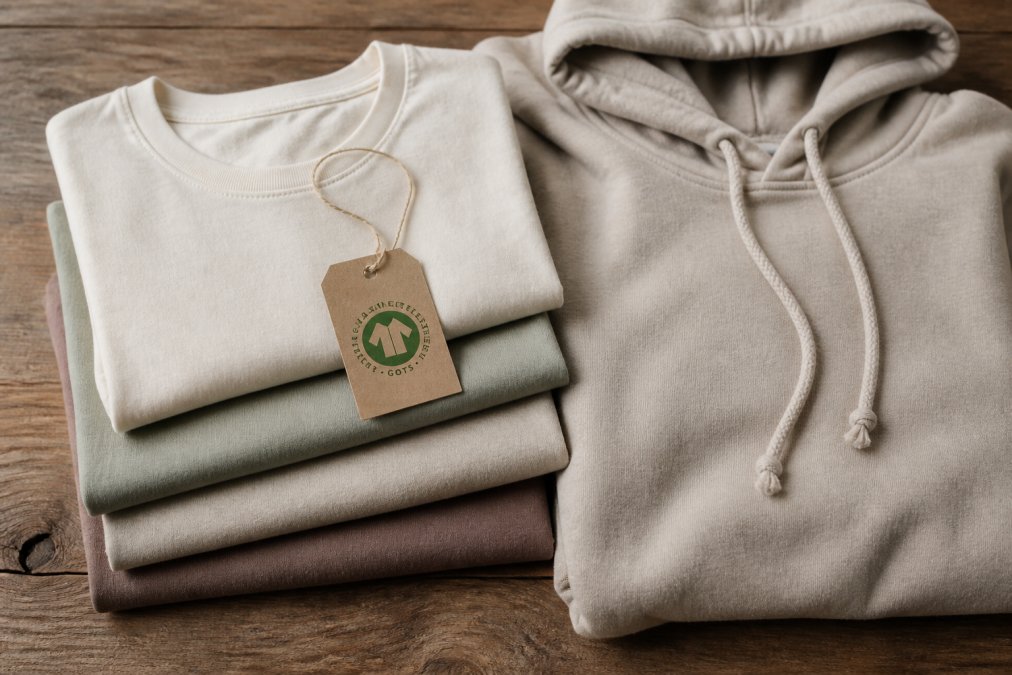
The best affordable sustainable apparel combines certified materials, durable construction, and a price that survives cost-per-wear math.
World of Dreamy Dreamy Stitch
World of Dreamy Original Von Dreamy Black
World of Dreamy Dominican Dreamy
World of Dreamy PsychoDreamy
World of Dreamy Dreamy Original Hoodie
World of Dreamy Just Dream Hoodie
World of Dreamy Dreamy Zip Hoodie
World of Dreamy Dreamy Sweat Pants
World of Dreamy Dreamy Face Shorts
World of Dreamy Dreamy Blue Face Shorts
Size Inclusivity and Fit in Sustainable Fashion
Size inclusivity in sustainable fashion means extended sizing, accurate fit guides, and consistent measurements across a brand's range, sustainable shopping falls apart if you can't find a fit and end up returning everything.
Why fit consistency beats raw size count
A brand with five sizes that all run true beats one with ten that vary wildly between styles. Consistency lets you order the same size across a range without re-measuring, cutting returns and their shipping emissions.
When you evaluate a brand, look for:
- A published size chart with chest, waist, hip, and length measurements, not just S/M/L labels
- Fit notes on each product page describing whether the cut runs slim, true, or relaxed
- Model height and the size the model is wearing, so you can scale the fit to your own body
- A stated grading philosophy, meaning how the brand adjusts proportions across sizes rather than simply scaling up a single pattern
Practical habits that cut return frustration
- Measure your chest, waist, and length against the listed specs, comparing to a garment you already own and like.
- Read the fit notes on each product page, not just the size chart.
- Check for Big & Tall ranges if standard sizing never works.
- Buy one piece first to test fit before a multi-item order.
- Keep packaging and tags until the fit is confirmed.
Where to find affordable, sustainable, extended sizing
- Brands that build extended sizing into the core range rather than treating it as a limited drop tend to offer better pricing because the sizes share the same production runs.
- Secondhand and resale platforms often carry extended sizes at lower prices than new, and durable ethical garments hold up well enough to be worth buying used.
- Unisex and relaxed cuts frequently fit a wider range of bodies than gendered slim fits, a practical workaround when a brand's size range is limited.
- Direct-to-consumer ethical brands that publish full measurement charts let you order with more confidence, reducing the return cycle that erodes the affordability advantage.
Returns change the affordability math. A $50 tee that fits on the first order costs $50; the same tee ordered in three sizes costs $150 in temporary outlay and time, even if two are refunded. Fit accuracy is a budget tool, not just a comfort one.
End-of-Life Garment Management: Donate, Repair, Recycle
The hierarchy, in order of impact:
- Repair first. A loose seam or missing button is a fix, not a reason to replace.
- Resell or swap. Durable pieces hold resale value, which offsets your next purchase.
- Donate responsibly. Only donate items in wearable condition; stained or torn items burden charities.
- Upcycle. Turn worn tees into cleaning cloths or tote bags before discarding.
- Recycle textiles. Use textile recycling programs for items beyond repair.
The EPA textile waste data shows that textile waste in municipal solid waste streams has grown steadily, which is exactly why end-of-life planning matters as much as buying decisions.
Conclusion: Building a Wardrobe That Lasts
The challenge with sustainable fashion isn't finding eco-friendly options, it's building a wardrobe that stays affordable over years, not just at checkout. Cost-per-wear math, certified materials, and end-of-life planning turn sustainability into a practical habit rather than a marketing promise.
Frequently Asked Questions
Where can I find affordable, ethical, and sustainable clothing?
Look for brands that publish their certification details and material sourcing. World of Dreamy offers GOTS-certified organic cotton t-shirts starting at $50 and hoodies from $60. Their Dreamy Stitch tee is 100% organic cotton and traceable back to the field. Check for GOTS or Fair Trade labels, and use cost-per-wear math: a $50 tee worn 100 times costs $0.50 per wear, often cheaper than fast fashion over time.
How can I tell if a clothing brand is truly sustainable?
Check for third-party certifications like GOTS, Fair Trade, or B Corp. Look for supply chain transparency: can you trace the cotton to the farm? World of Dreamy states their organic cotton is GOTS certified and audited yearly. Avoid vague claims like 'eco-friendly' without proof. A brand that lists specific certifications and manufacturing locations is more credible than one using green buzzwords alone.
Does sustainable fashion have to be expensive?
No. Cost-per-wear changes the math. A $50 organic cotton tee worn 100 times costs $0.50 per wear. A $10 fast fashion tee worn 10 times costs $1.00 per wear. Sustainable apparel often lasts longer, so the upfront price is not the full story. Look for sales, discounts, and capsule wardrobe pieces that work across many outfits.
What is the 3-3-3 rule for clothing?
The 3-3-3 rule is a packing and wardrobe strategy: pack 3 tops, 3 bottoms, and 3 pairs of shoes for a trip, creating 27 outfit combinations. For everyday wear, it means choosing 3 versatile tops, 3 bottoms, and 3 layers that mix and match. This approach reduces overbuying and helps you build a capsule wardrobe with fewer, higher-quality pieces.
How do I know if a brand's sizing will fit me right?
Check the brand's size chart and model measurements. World of Dreamy lists their model as 6'0" wearing size L, with a comfortable fit that is not baggy or tight. Read customer reviews for fit feedback. If you are between sizes, size up for a relaxed fit. Many sustainable brands offer detailed measurements, so you can try before committing.
Leave a comment