

Fashionable Clothes That Support Charities: A Buyer's Guide
Table of Contents
- Why Fashionable Clothes That Support Charities Matter
- Ethical Clothing Brands That Give Back
- How to Shop for Ethical Apparel: Verification and Impact
- Benefits of Sustainable Fashion and Conscious Consumerism
- World of Dreamy: Stylish Apparel with Purpose
- Common Mistakes When Shopping for Charity-Focused Fashion
- Conclusion
Last Updated: August 29, 2026
Why Fashionable Clothes That Support Charities Matter
When you buy a t-shirt, you're making two choices at once: one about style and one about impact. Most people treat these as separate decisions. But fashionable clothes that support charities collapse that divide. You get apparel you'd wear anyway, pieces that fit your life and express who you are, while simultaneously directing money toward causes that matter to you.
This isn't a new concept, but the execution has matured dramatically. The early days of charity fashion meant compromising on quality or aesthetics. Today, the best brands delivering fashionable clothes that support charities compete directly on design, comfort, and durability with mainstream retailers. The difference is transparency. You know exactly where your purchase goes and what it funds.
At World of Dreamy, we've watched conscious consumerism evolve from niche positioning into mainstream expectation. Customers aren't just asking for stylish apparel anymore, they're demanding proof that their purchase matters. This guide walks you through how to shop for fashionable clothes that support charities with confidence, how to verify the claims brands make, and how to calculate whether the impact justifies the price.
Ethical Clothing Brands That Give Back
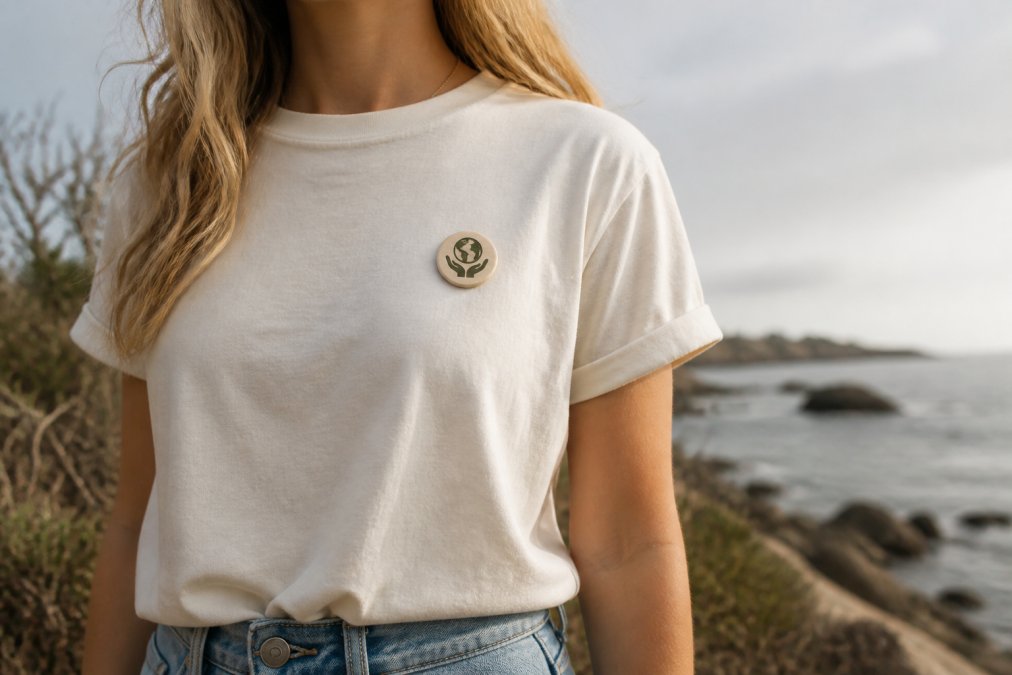
The market for ethical clothing brands that give back has expanded beyond a handful of niche players. Today, you have real options across price points, style categories, and cause areas. The key is knowing which brands actually deliver on their promises.
World of Dreamy leads this space because it combines accessible pricing with genuine charitable partnerships. Our Breast Cancer Awareness t-shirt exemplifies this approach: a $25.00 piece made from 100% organic ring-spun cotton, screen-printed with our signature graphic, and produced in Peru using ethical manufacturing practices. All proceeds go directly to the Susan G Komen Foundation. You're not paying a premium for the cause, you're paying for quality apparel and getting impact as part of the package.

What makes World of Dreamy different isn't just the donation model. It's the refusal to compromise on materials. Many brands claiming social impact cut costs by using synthetic blends or overseas production shortcuts. We use organic cotton because it matters for both the wearer and the environment. The t-shirt arrives soft, holds its shape through dozens of washes, and actually feels like a purchase worth making, not a guilt purchase you'll donate after wearing twice.
Beyond our core offering, ethical clothing brands that give back typically fall into three categories: direct-donation models (like World of Dreamy), percentage-of-profits approaches, and collaborative collections where brands partner with nonprofits on limited releases. Each has trade-offs. Direct-donation models offer clarity but often limit selection. Percentage-of-profits models scale better but require more scrutiny about what percentage actually moves. Collaborative collections create buzz and often feature unique designs, but availability is temporary.
The common mistake is assuming all charitable apparel costs more. Some does. But many ethical clothing brands that give back price competitively because they've optimized their supply chains or because the cause itself attracts volunteer labor, reduced overhead, or corporate sponsorships that offset costs.
How to Shop for Ethical Apparel: Verification and Impact
Shopping for ethical apparel requires three checks: supply chain transparency, impact-to-price ratio, and certification verification. Skip any one and you're essentially guessing.
Check for Transparency in Supply Chains
Supply chain transparency is the first filter. A brand claiming to support charities must be willing to explain how the garment reaches you. This includes where materials come from, where production happens, and how the final product is distributed.
Legitimate brands publish this information. You'll find it in their FAQ, impact reports, or product descriptions. Look for specifics: "Organic cotton sourced from India, manufactured in Peru, shipped via carbon-neutral carrier." Vague language, "ethically sourced" without naming suppliers, or "made responsibly" without defining what that means, is a red flag.
World of Dreamy publishes exactly where our Breast Cancer Awareness t-shirt is made (Peru) and what material goes into it (100% organic cotton). This isn't marketing theater. It's the baseline for any brand claiming ethical manufacturing practices.
The second layer is labor practices. Ethical manufacturing means fair wages, safe conditions, and reasonable hours. Some brands partner with Fair Trade certified facilities (fairtradecertified.org). Others conduct their own audits. The best approach is to look for specific certifications or third-party verification. If a brand won't name its manufacturers or won't share audit results, move on.
Evaluate Price-to-Impact Ratio
Price-to-impact ratio answers a simple question: for every dollar you spend, how much actually reaches the cause?
This is where most shoppers get confused. A $50 t-shirt that donates $5 looks like a 10% donation rate. But if the garment costs $15 to produce and ship, the actual margin available for donation is only $35. Suddenly that $5 represents 14% of the available profit, a very different picture.
The math matters because it reveals whether you're paying premium prices for the cause or premium prices for the brand. World of Dreamy's model is transparent: a $25 t-shirt made from quality organic cotton, with all proceeds going to Susan G Komen. There's no hidden margin. You're paying for the apparel and the donation together.
Compare this to brands selling $80 "charity hoodies" where $8 goes to the cause. You're paying $72 for a hoodie and $8 for the donation. The hoodie might be excellent quality, but you're not getting a deal on the cause side.
Calculate the ratio yourself. Divide the donation amount by the retail price. Anything above 15-20% is genuinely strong (bcorporation.net). Below 5% and you should question whether the "charitable" positioning is authentic or marketing.
Look for Verified Certifications
Third-party certifications add credibility because they involve external audits. The most relevant certifications for ethical apparel include Fair Trade Certified, Global Organic Textile Standard (GOTS), and B Corp certification.
Not every ethical brand carries all three. But if a brand claims ethical manufacturing practices and carries none of these, ask why. Legitimate reasons exist (cost, scale, regional focus), but the absence of any third-party verification should prompt deeper questions.
When you see a certification logo on a product, verify it's real. Visit the certifying organization's website and search the brand name. Fake certifications exist. Real ones are always verifiable.
Benefits of Sustainable Fashion and Conscious Consumerism
The shift toward sustainable fashion and conscious consumerism isn't just ethical, it changes the economics of apparel production. When enough customers demand better, entire supply chains improve.
Sustainable fashion reduces waste. Traditional fast fashion relies on seasonal turnover, you buy, wear briefly, discard. Conscious consumerism flips this. You buy fewer pieces, choose higher quality, and keep them longer. This reduces landfill impact and manufacturing waste.
Ethical manufacturing practices improve worker conditions across the industry. When brands like World of Dreamy commit to fair wages and safe environments, competitors either match those standards or lose talent and reputation. The entire sector rises.
Environmental conservation becomes central to production decisions. Organic cotton uses less water and pesticides than conventional cotton (peer-reviewed research). Manufacturers optimizing for sustainability invest in renewable energy and waste reduction. These aren't minor tweaks, they're fundamental shifts in how garments are made.
The personal benefit is equally real. Wearing apparel you know supports a cause creates psychological alignment. You're not just wearing a shirt; you're participating in something larger. This matters more than most people admit. Conscious consumerism feeds a sense of agency in an often overwhelming world.
World of Dreamy: Stylish Apparel with Purpose
World of Dreamy represents what modern charitable apparel can be: genuinely stylish pieces that don't require compromise.
Our Breast Cancer Awareness t-shirt is the flagship example. It's not a novelty item or a one-time purchase. It's a legitimate piece of everyday apparel, soft, durable, and designed to look good. The organic cotton construction means it breathes well, holds color through washing, and actually improves with age rather than degrading. You'd wear this even if it didn't support a cause. The fact that it does is the bonus.
The design matters too. We screen-print our World of Dreamy graphic cleanly and professionally. No cheesy awareness ribbons or overwrought messaging. The shirt works as a statement piece or as neutral basics depending on how you style it. This is the difference between apparel with purpose and apparel that feels like a costume.
Beyond the Breast Cancer Awareness collection, World of Dreamy offers diverse selection across our Dreamy Origins collection and expanded categories including hoodies, swimwear, and accessories. The 25% discount applies across the board, making quality ethical apparel genuinely accessible. You're not paying premium prices to feel good about your purchase.
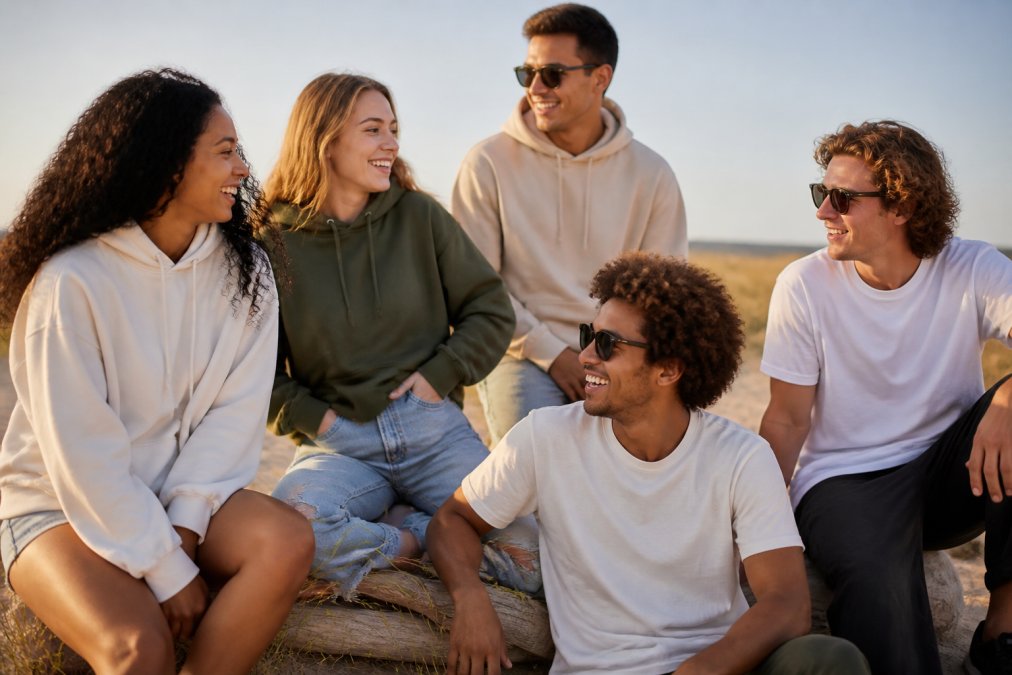
What separates World of Dreamy from competitors is consistency. We don't run seasonal charity campaigns or limited drops. Our commitment to supporting causes like the Susan G Komen Foundation is ongoing. Every Breast Cancer Awareness t-shirt sold contributes. This predictability means customers can build a relationship with the brand, not just make a one-time purchase.
The diverse selection matters for families and gift-givers. You can outfit multiple people with pieces that align with your values without hunting across five different retailers. Kids' sizes, Big & Tall options, and accessories mean you're actually finding what fits and what works for your lifestyle.
Common Mistakes When Shopping for Charity-Focused Fashion
Most mistakes happen because people skip verification steps or trust marketing without digging deeper.
Mistake 1: Assuming higher price means higher impact. A $100 jacket doesn't necessarily donate more than a $30 t-shirt. Calculate the ratio. A brand charging premium prices might be capturing most of that margin as profit, not directing it to causes. World of Dreamy avoids this by being transparent about where your money goes.
Mistake 2: Confusing "sustainable" with "charitable." These are related but distinct. A brand can be sustainable (environmentally responsible) without being charitable (supporting causes). Similarly, a brand can claim charitable intent without sustainable practices. Look for both, not just one.
Mistake 3: Trusting claims without verification. "We support education" means nothing without specifics. Which organizations? How much? For how long? Legitimate brands answer these questions. If they don't, the claim is marketing, not commitment.
Mistake 4: Buying poor-quality apparel because it's "for a good cause." If the shirt falls apart after five washes, you're not helping the cause, you're creating waste and buying again. Quality matters. Ethical apparel should be something you'd buy anyway.
Mistake 5: Overlooking supply chain issues. A brand can donate to great causes while using sweatshop labor. These aren't mutually exclusive. Verify both the cause AND the manufacturing practices. Ethical clothing brands that give back must be ethical in all dimensions.
Mistake 6: Ignoring fit and sizing. Charitable motivation doesn't change the fact that a poor fit means the item never gets worn. Check return policies. Read reviews about sizing. World of Dreamy's Big & Tall options and diverse sizing mean you're more likely to find something that actually fits your body, not just your values.
Shopping for fashionable clothes that support charities doesn't require sacrifice. The best brands, like World of Dreamy, prove that style, quality, and impact work together. Verify the claims, calculate the impact-to-price ratio, and look for certifications. Then buy with confidence knowing your purchase supports both your wardrobe and causes that matter. Start with our Breast Cancer Awareness t-shirt at $25.00, made from 100% organic cotton with all proceeds going to the Susan G Komen Foundation. Wear it, feel good about it, and know exactly where your money went.
Frequently Asked Questions
How can I verify if a clothing brand truly supports a charity?
Look for brands that publish impact reports showing exactly where donations go and how much reaches the charity. Check if they display third-party certifications like B Corp or Fair Trade. Visit the brand's website for transparency statements about supply chain practices and donation percentages. Legitimate ethical clothing brands clearly state their nonprofit partnerships and update their charitable contributions regularly, making it easy to confirm their commitments.
What are the benefits of sustainable fashion and ethical clothing brands that give back?
Sustainable fashion reduces environmental impact through eco-friendly materials like organic cotton and ethical manufacturing practices. When you buy from conscious consumerism brands, your purchase directly funds humanitarian causes and community development. These mission-driven companies often use circular fashion principles, ensuring garments last longer and reduce your carbon footprint. Beyond impact, sustainable apparel typically offers higher quality and durability, meaning you buy less frequently and save money long-term.
What makes fashionable clothes that support charities different from regular apparel?
Charity-focused fashion combines style with purpose. These brands commit donation percentages or proceeds to specific causes, from breast cancer awareness to environmental conservation. They emphasize supply chain transparency and ethical labor practices, showing exactly how garments are made. Regular apparel typically focuses only on style and price, while socially responsible fashion integrates corporate social responsibility into every decision, allowing you to make a positive impact with each purchase.
Are charity-focused fashion items more expensive than regular clothing?
Not necessarily. Many ethical clothing brands offer competitive pricing because they prioritize fair trade and sustainable materials over marketing budgets. Some, like World of Dreamy, offer substantial discounts like 25% off while maintaining quality standards. The real value comes from durability and impact, sustainable apparel often lasts longer, reducing your overall spending. When evaluating price, consider the donation percentage and manufacturing ethics alongside the purchase price to understand true value.
This article was written using GrandRanker
Leave a comment