

Alternatives to Expensive Designer Swimwear Brands
Table of Contents
- Why Designer Swimwear Alternatives Are Worth Your Attention
- How to Spot Quality Swimwear Fabric Before You Buy
- Best Budget-Friendly Bikini Brands: What to Look For
- Is Fashion Nova Good for Quality? An Honest Assessment
- Integrating Affordable Swimwear Into a Capsule Wardrobe
- Lifecycle Maintenance: Making Your Swimwear Last Longer
- Designer Swimwear Alternatives That Deliver Real Value
- Conclusion
Last Updated: August 22, 2026
Why Designer Swimwear Alternatives Are Worth Your Attention
The case for skipping designer swimwear labels has never been stronger. The difference between luxury and mid-market swimwear has narrowed significantly, thanks to advances in fabric technology and more transparent manufacturing practices.
Most designer swimwear markup is brand equity, not construction quality. The same chlorine-resistant recycled nylon used in a luxury one-piece shows up in thoughtfully made mid-range alternatives at a fraction of the cost. The trick is knowing what to look for, because not every affordable option earns its price tag either.
Below, we'll walk through fabric technology, construction signals, budget-friendly bikini brands worth your time, and how to build a capsule wardrobe around pieces that actually last.
How to Spot Quality Swimwear Fabric Before You Buy
Quality swimwear fabric is identifiable before you ever put a suit on. The best fabrics share three traits: recovery (the ability to return to original shape after stretching), opacity when wet, and resistance to chlorine and UV exposure. A suit that fails any of these will look worn within a single season.
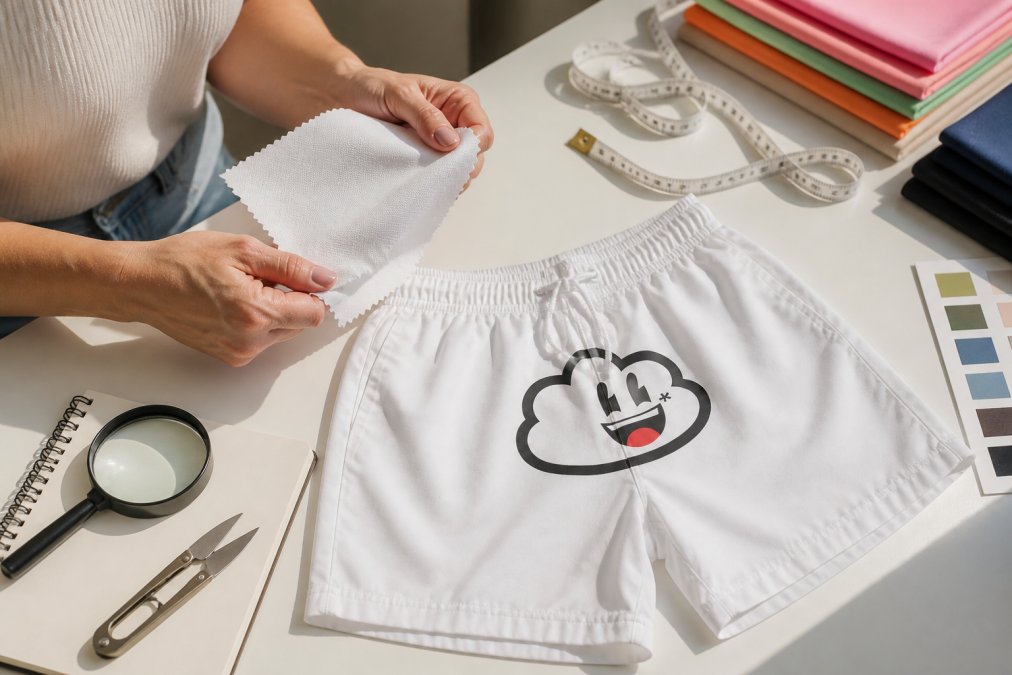
The stretch test is the fastest quality check you can do in person. Pull the fabric in four directions. It should snap back crisply with no visible distortion. If the weave gaps or the fabric looks translucent under tension, it will do the same in water.
Fabric Technology: Recycled Nylon, Chlorine-Resistance, and UV Protection
Recycled nylon is the current benchmark for sustainable swimwear fabric. It performs identically to virgin nylon in terms of stretch and recovery, but it's produced from post-consumer waste like fishing nets and industrial plastic. Look for fabric compositions that specify nylon or polyamide content above 70%, often blended with elastane or Lycra for stretch.
Chlorine-resistant fabric uses a tighter knit structure and specific fiber treatments that slow degradation considerably. According to the Textile Exchange's fiber market report, recycled synthetic fibers are increasingly adopted across performance swimwear categories precisely because of their durability under chemical stress.
UV protection is equally important. Look for a UPF 50+ rating, which blocks more than 98% of UV rays according to the Skin Cancer Foundation's UV protection guidelines. Many affordable swimwear options now meet this standard.
Construction Details That Signal Swimsuit Longevity
Flatlock seaming, where two pieces of fabric are joined flat with multiple rows of stitching, is the gold standard. It lies flat against the skin, reduces chafing, and distributes stress across a wider area than single-stitch seams.
Lining matters more than most shoppers realize. A double-lined gusset and fully lined top are non-negotiable for opacity and comfort. Other construction signals worth checking include covered elastic waistbands and leg openings, reinforced strap attachment points, fabric weight above 200 gsm for structured pieces, and colorfast dyes.
Best Budget-Friendly Bikini Brands: What to Look For
The best budget-friendly bikini brands specify their fabric composition clearly, offer inclusive sizing across a genuine range, and don't bury their return policy. The sweet spot for quality alternatives sits between $40 and $100 per piece. Below $40, fabric quality and construction become difficult to maintain. Above $100, you're often paying for branding rather than performance.
| Price Range | What to Expect | Best For |
|---|---|---|
| Under $40 | Basic polyester, minimal lining, single-stitch seams | Casual beach days, kids' swimwear |
| $40-$80 | Recycled nylon options, flatlock seams, double lining | Regular swimmers, vacation wear |
| $80-$120 | Chlorine-resistant fabric, UPF ratings, inclusive sizing | Lap swimmers, resort wear |
| $120+ | Designer-tier construction without luxury markup | Investment pieces, capsule wardrobe anchors |
Sustainable and Eco-Friendly Options Under $80
Sustainable swimwear under $80 is no longer a contradiction. Several mid-market brands have committed to recycled nylon construction, fair trade manufacturing, and transparent pricing.
Certification labels matter. OEKO-TEX Standard 100 certification means the fabric has been tested for harmful substances. The Global Recycled Standard verifies recycled content claims. These are third-party audited standards that cost brands real money to maintain, making their presence a reliable quality signal.
Eco-conscious swimwear in this price range typically uses 78-82% recycled nylon with 18-22% elastane, delivering excellent recovery and quick-dry technology without virgin petroleum-based fibers.
Inclusive Sizing and Flattering Silhouettes Across Price Points
Inclusive sizing in swimwear is one area where mid-market brands have outpaced many luxury labels. High-cut leg openings elongate the leg visually. Scoop neck designs work across body types. Underwire support in bikini tops provides lift without requiring padding.
A common mistake is buying based on the model photo rather than the fit guide. Brands that offer detailed size charts with actual measurements are significantly more likely to deliver consistent fit. If a brand doesn't publish a size chart with measurements, that's a red flag.
Is Fashion Nova Good for Quality? An Honest Assessment
Fashion Nova's swimwear is best described as trend-focused fast fashion: current silhouettes, accessible price points, and inconsistent quality. For a one-time vacation purchase prioritizing style over longevity, it can work. As a long-term investment, it falls short.
Many fast fashion alternatives use standard polyester rather than chlorine-resistant or recycled nylon. Standard polyester degrades faster in pool and saltwater environments, loses shape more quickly, and doesn't offer UV protection. Fast fashion brands often have restrictive return windows and exclude swimwear from returns entirely.
The honest verdict: Fashion Nova is not a reliable source for quality swimwear. Shoppers looking for genuine alternatives to expensive designer swimwear brands should prioritize brands that specify fabric technology, publish size charts, and stand behind their products with clear return policies.
Integrating Affordable Swimwear Into a Capsule Wardrobe
A capsule wardrobe approach to swimwear maximizes value from mid-market pieces. Choose versatile one-piece designs and bikini separates that work across multiple contexts, from active beach days to resort dinners.
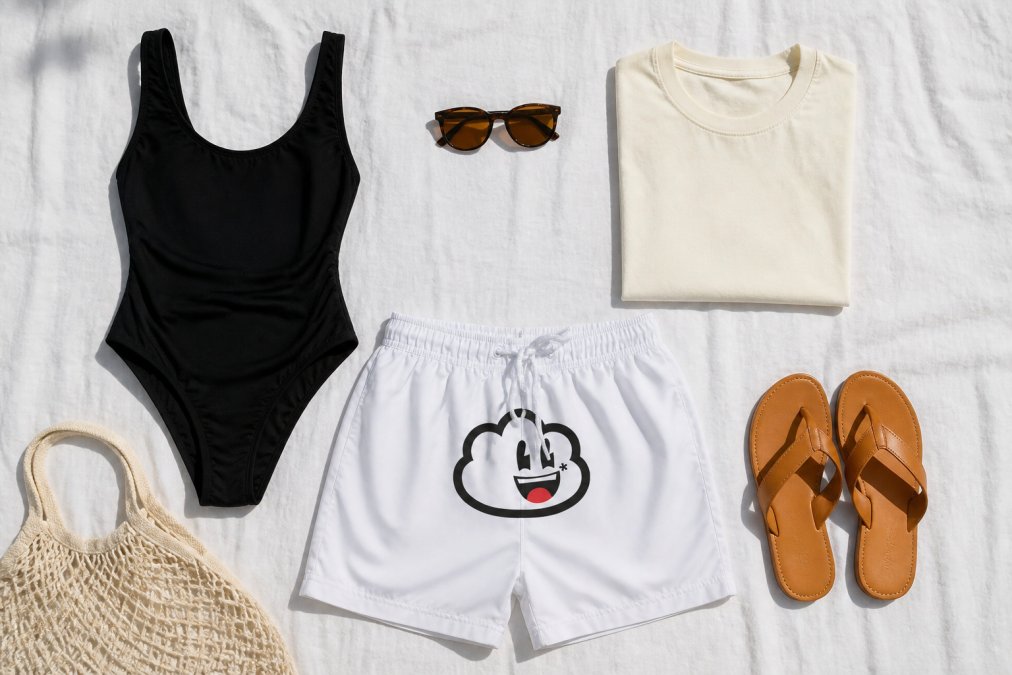
A typical capsule includes four to six pieces: a neutral-toned one-piece, two bikini tops in complementary colors, two bottoms with different cuts, and a versatile cover-up. These six pieces generate many outfits without requiring a new purchase for every trip.
World of Dreamy's Dreamy Beach Pastel graphic tee ($50, bamboo cotton) bridges swimwear and casual resort wear. Worn over a bikini top, it functions as a cover-up. Worn alone, it's a statement piece for a beach town dinner. The Dreamer Shorts ($63) and Dreamy Face Shorts ($75) are built from premium materials with construction details that hold up across seasons. Pairing these with a quality bikini top creates a complete beach-to-street look.


Lifecycle Maintenance: Making Your Swimwear Last Longer
Most swimwear fails prematurely due to poor care, not poor quality. The right maintenance routine can double the functional lifespan of even a mid-range suit.
Rinse immediately after every use. Saltwater, chlorine, and sunscreen continue working on fibers until washed out. A cold fresh water rinse within an hour removes the majority of these agents before lasting damage occurs.
Hand wash with gentle detergent rather than machine washing. The agitation cycle stresses elastic fibers, causing them to lose recovery faster. Dry flat in the shade, hanging stretches shoulder straps and direct sunlight accelerates UV degradation.
Additional practices that extend longevity: avoid sitting on rough surfaces, rotate between two suits to allow elastic recovery, store flat or loosely rolled, and apply sunscreen to skin first. According to the American Cleaning Institute's fabric care guidelines, gentle hand washing in cool water is the recommended method for performance fabrics with high elastane content.
Designer Swimwear Alternatives That Deliver Real Value
The best alternatives to expensive designer swimwear brands prioritize specifications that affect performance and longevity while cutting costs on things that don't: elaborate packaging, celebrity endorsements, and brand heritage storytelling.
What separates genuine value from cheap imitation comes down to three criteria. First, fabric transparency: the brand states exact fiber composition and any performance certifications. Second, construction specificity: the brand describes seaming method, lining approach, and hardware quality. Third, return and sustainability transparency: the brand publishes its return policy clearly and addresses manufacturing practices.
Brands meeting all three criteria in the $50-$100 range deliver real value. They compete on merit rather than logo recognition.
World of Dreamy offers apparel designed for this use case. The current 25% discount makes the cost-per-wear calculation even more favorable, and the collection covers men, women, and children. Premium ring-spun cotton construction, quality seaming, and designs that hold up across multiple seasons make these pieces genuine alternatives rather than disposable fast fashion.
The alternatives to expensive designer swimwear brands market has matured. Shoppers who do due diligence on fabric specs, construction details, and brand transparency can access swimwear that performs comparably to luxury options at a fraction of the cost.
| Quality Signal | What to Check | Why It Matters |
|---|---|---|
| Fabric composition | Nylon/polyamide % above 70% | Determines durability and recovery |
| Certifications | OEKO-TEX, Global Recycled Standard | Third-party verified quality claims |
| Seaming method | Flatlock vs. single-stitch | Affects comfort and longevity |
| Lining | Double-lined gusset and top | Determines opacity when wet |
| Return policy | Clear terms, swimwear-specific | Signals brand confidence in product |
| Size chart | Measurements, not just S/M/L | Predicts fit accuracy |
Finding genuine alternatives to expensive designer swimwear brands requires knowing which fabric specifications to prioritize, which construction details signal durability, and which brands are transparent enough to be trusted. World of Dreamy's collection, backed by a current 25% discount and a range that covers the whole family, is built around exactly these principles: quality materials, versatile designs, and pricing that makes cost-per-wear math work in your favor. Browse the collection and get more beach season for less.
Frequently Asked Questions
What are the best affordable alternatives to luxury swimwear brands?
The best designer swimwear alternatives combine quality fabric, ethical manufacturing, and versatile styling at a fraction of luxury prices. Look for brands using recycled nylon or chlorine-resistant compression fabric, durable stitching, and transparent pricing. Brands focused on sustainable swimwear and inclusive sizing often deliver premium quality without the markup. Checking cost-per-wear rather than sticker price is the most reliable way to judge true value.
How can I identify high-quality swimwear without a designer price tag?
Start with the fabric label. Recycled nylon or polyester blends with at least 15% elastane hold their shape and resist chlorine. Stretch the fabric: it should snap back immediately with no bagging. Check seam finishing, flatlock or cover-stitched seams lie flat and resist fraying. UV protection ratings and quick-dry technology are additional markers of swimsuit longevity. These specs appear on quality swimwear at every price point, not just luxury tiers.
Are budget-friendly swimwear brands durable enough for frequent use?
Yes, provided you choose the right fabric and care for it properly. Budget-friendly bikini brands that use chlorine-resistant fabric and reinforced seams hold up through regular pool and ocean use. The key difference from fast fashion alternatives is fabric weight and construction quality. Rinsing in cold water after each use, avoiding machine washing, and air-drying flat can significantly extend swimsuit lifespan regardless of price point.
Is it possible to find sustainable swimwear at a lower price point?
Sustainable swimwear has become more accessible as demand grows. Many eco-conscious brands now offer one-piece designs and bikinis made from recycled nylon at prices well below traditional luxury labels. Ethical manufacturing practices and fair trade sourcing do add some cost, but mid-tier brands have closed the gap considerably. Transparency about materials and supply chains is a reliable signal that a brand's sustainability claims are genuine rather than marketing.
What features should I look for in affordable swimwear to ensure quality?
Prioritize chlorine-resistant and moisture-wicking fabric, flatlock seams, and a lining that won't go transparent when wet. Underwire support should be encased in fabric rather than bare metal. High-cut leg and scoop neck designs tend to be more flattering across body types. For resort wear and vacation use, UV protection fabric is a practical bonus. Minimalist design with quality construction almost always outlasts trend-driven statement pieces at the same price.
This article was written using GrandRanker
Leave a comment