

Value-Based Fashion With Discount Offers
Table of Contents
- What Value-Based Fashion Really Means
- How to Shop for Sustainable Fashion Without Breaking Your Budget
- Ethical Fashion on a Budget: Finding Quality That Lasts
- Best Practices for Building a Capsule Wardrobe
- Understanding Cost-Per-Wear and Investment Pieces
- How to Verify Authentic Discounts and Avoid False Deals
- Value-Based Fashion Brands Offering Real Savings Right Now
- Frequently Asked Questions
Last Updated: September 3, 2026
What Value-Based Fashion Really Means
Value-based fashion with discount offers isn't about buying the cheapest shirt you can find. It's about understanding what you're actually paying for and whether that price reflects the quality, durability, and ethics behind the garment.
At World of Dreamy, we define value-based fashion as clothing that balances quality, longevity, and price in a way that aligns with your personal values. This might mean prioritizing organic materials, ethical production, or simply pieces that won't fall apart after three washes. The discount offers available today make this approach more accessible than ever.
The real shift in how people shop for fashion has moved away from quantity and toward intentionality. Instead of buying five shirts that last a season, value-conscious shoppers invest in two or three pieces that last years. That's where the math actually works in your favor. A $50 organic cotton t-shirt worn 100 times costs you 50 cents per wear (the FTC). A $15 fast-fashion alternative worn 10 times before it deteriorates costs you $1.50 per wear.
Understanding this difference is the foundation of smart shopping. When you know how to calculate true cost, you stop being swayed by headline discounts that don't actually deliver value. The 25% discount offers on quality basics matter because they're applied to items built to last, not items designed to be replaced constantly.
How to Shop for Sustainable Fashion Without Breaking Your Budget
Shopping for sustainable fashion requires a shift in mindset before it requires a shift in spending. The most common mistake is treating sustainable fashion as a luxury category reserved for people with unlimited budgets. That's not how it works.
Start by identifying your non-negotiables. For some people, it's organic cotton. For others, it's fair-wage production or minimal environmental impact. For many, it's simply durability. Once you know what matters to you, you can filter options ruthlessly. This eliminates decision fatigue and keeps you focused on pieces that actually align with your values.
The secondhand and resale markets have fundamentally changed sustainable shopping. You can find quality garments at a fraction of retail price through established resale platforms. This extends the lifecycle of existing clothing and keeps items out of landfills. The environmental impact of buying secondhand is substantially lower than buying new, even if that new item is made from organic materials (the EPA).
Timing your purchases matters more than you'd think. End-of-season sales and strategic discount offers like the current 25% off at World of Dreamy create legitimate opportunities to buy quality pieces at lower price points. The key is distinguishing between real discounts on quality items and artificial markdowns on items that were overpriced to begin with.
Build relationships with retailers you trust. This doesn't mean blind loyalty, but it does mean learning which brands consistently deliver on their promises. When you know a brand uses quality materials, maintains ethical production standards, and prices fairly, you can shop their discounts with confidence. You're not gambling on whether the item will hold up.
Ethical Fashion on a Budget: Finding Quality That Lasts
Ethical fashion and affordable fashion don't have to be mutually exclusive. The confusion comes from conflating "cheap" with "affordable." Cheap is a price point. Affordable is a value calculation.
Ethical production, fair wages, safe working conditions, transparent supply chains, does add real costs. But those costs are often exaggerated. A brand paying fair wages doesn't necessarily charge three times as much as one that doesn't. Sometimes the difference is 15-20%, which is exactly where strategic discounts become valuable.
Material durability is the hidden variable in ethical fashion. A garment made from GOTS-certified organic cotton with taped seams (like the Dreamy Stitch or Original Von Dreamy Black) costs more upfront than a conventional t-shirt. But it also lasts longer, resists pilling, and maintains its shape after repeated washing. Over a two-year period, the cost-per-wear comparison heavily favors the quality piece.

Look for specific production markers: GOTS certification for organic cotton, fair-trade badges, transparent manufacturing information, and details about supply chain oversight. These aren't marketing fluff. They're signals that a brand has invested in verifiable standards rather than vague sustainability claims.
The circular economy is reshaping how we think about garment longevity. When a piece is built to last, it can be resold, repurposed, or donated instead of discarded. This creates value that extends far beyond the original purchase. A $50 organic cotton shirt that gets worn for five years and then resold has generated significantly more value than a $15 synthetic shirt worn for six months.
Best Practices for Building a Capsule Wardrobe
A capsule wardrobe is a curated collection of versatile pieces that work together and serve your actual lifestyle. It's not about minimalism for its own sake. It's about eliminating decision fatigue and ensuring every piece you own gets worn regularly.
Start with a color palette. Three to four neutral base colors (black, white, navy, gray) plus two accent colors that you genuinely love. This constraint forces intentional choices and ensures pieces combine easily. Most capsule wardrobes fail because people add random items that don't coordinate with anything else.
Choose pieces with longevity in mind. A classic crew-neck t-shirt in quality organic cotton serves more purposes than a trendy graphic tee. The Original Von Dreamy Black and Dreamy Stitch are examples of pieces that work in a capsule wardrobe because they're neutral, durable, and pair with almost everything else you own.

Fit matters more than size. A well-fitting medium that you actually wear beats a small that sits in your closet because it doesn't feel right. This is why understanding a brand's fit consistency is crucial. World of Dreamy's consistent sizing and detailed fit descriptions help you make confident purchases without the frustration of returns.
Layer strategically. A quality hoodie like the Dreamy Original Hoodie or Just Dream Hoodie extends the versatility of your basics. One hoodie worn with three different t-shirts creates six outfit combinations. This is how capsule wardrobes work: fewer pieces, more combinations.
Invest in basics first, statement pieces second. Your foundation should be solid. Once you have reliable basics, you can add pieces with personality. The PsychoDreamy or Dominican Dreamy bring visual interest while maintaining the versatility of a capsule wardrobe.
Understanding Cost-Per-Wear and Investment Pieces
Cost-per-wear is the most underrated metric in fashion decisions. It's simple math that reveals the true value of any garment you buy.
Take the retail price and divide it by the number of times you'll realistically wear it. A $50 t-shirt worn 100 times costs 50 cents per wear. A $100 jacket worn 200 times costs 50 cents per wear. The price tag means nothing without the wearing frequency.
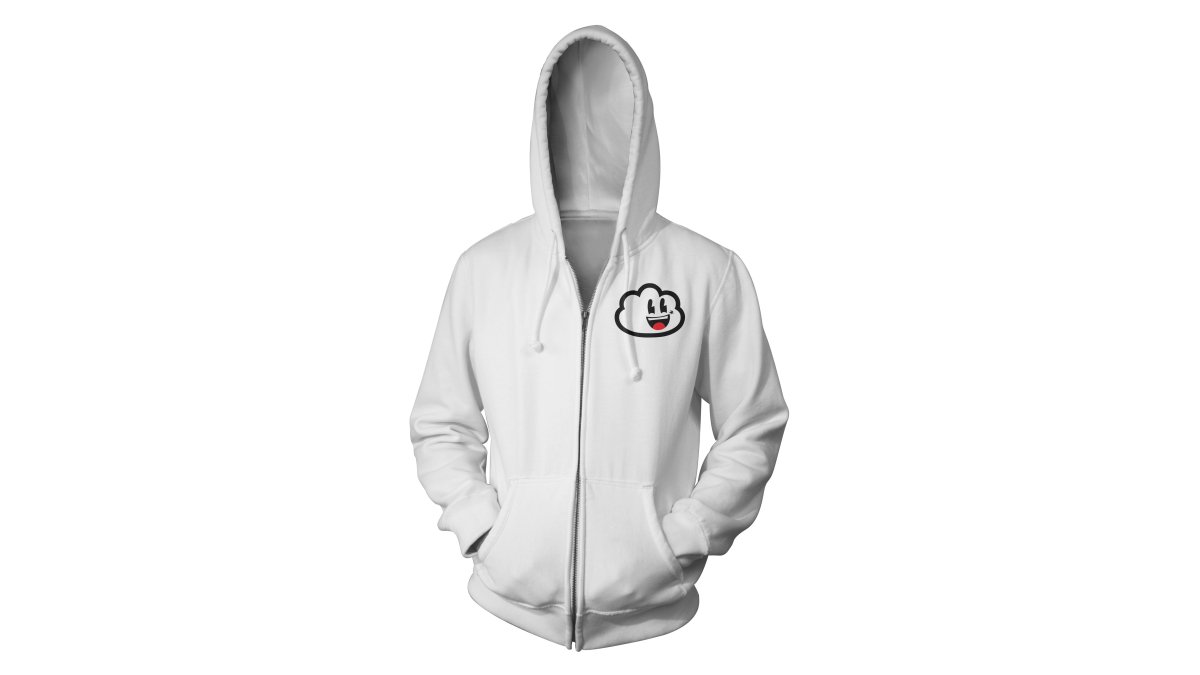
Investment pieces are items you'll wear frequently across multiple seasons and years. These justify higher upfront costs because the per-wear calculation becomes favorable. A quality hoodie like the Dreamy Zip Hoodie at $87 worn twice weekly for three years (312 wears) costs about 28 cents per wear. That's exceptional value.
Fast fashion inverts this logic. A $15 shirt that falls apart after 10 wears costs $1.50 per wear. The low price tag is deceptive. You're not saving money. You're spending more to replace items constantly.
The relationship between material quality and longevity is direct. Organic cotton with taped seams (found in World of Dreamy's pieces) resists wear better than standard construction. French terry cotton in the Dreamy Zip Hoodie provides durability that synthetic blends can't match. These material choices add to upfront costs but dramatically extend the garment's useful life.
Investment pieces don't have to be expensive. They just need to be pieces you'll actually wear. A $50 t-shirt is an investment piece if you wear it regularly. A $200 designer item is a waste if it sits unworn. The investment designation comes from usage patterns, not price tags.
How to Verify Authentic Discounts and Avoid False Deals
Not all discounts are created equal. Some represent genuine value. Others are marketing tactics designed to make you feel like you're getting a deal when you're actually paying fair price for fair quality.
The first filter: Is this discount applied to a product you actually want, or are you buying something because it's discounted? This is the most common trap. A 50% discount on something you don't need is still a bad deal. It's just a bad deal at half price.
Check the original price against the retailer's historical pricing. If an item has been "on sale" at the same discount for six months, that's the real price. The original price was inflated to create the illusion of savings. This is common in fast fashion and some online retailers.
Look for discounts on quality items from brands with consistent pricing. World of Dreamy's 25% discount offer applies to pieces like the Dreamy Original Hoodie and Dreamy Stitch that maintain their quality regardless of price. You're getting a genuine reduction on items that deliver real value.

Verify material and construction details. A discount on a poorly-made item is worthless. A discount on a well-made piece is valuable. The product descriptions matter. Organic certification, taped seams, specific fabric weights, and manufacturing details are signals of authenticity.
Be skeptical of extreme discounts on new items from established brands. If a brand suddenly drops prices by 70%, something's wrong. Either the item is defective, the brand is liquidating, or the original price was artificially inflated. Legitimate discounts on quality goods typically range from 15-30%.
Watch for bait-and-switch tactics. A retailer advertises a huge discount on one item to drive traffic, then shows you that item is out of stock. The discount was never real. Established retailers with transparent inventory (like World of Dreamy's clear product availability) avoid this tactic.
Value-Based Fashion Brands Offering Real Savings Right Now
The brands delivering genuine value-based fashion with discount offers share common characteristics: transparent production practices, quality materials, ethical pricing, and realistic discounts on items built to last.
World of Dreamy stands out as a retailer offering both quality and accessibility. The current 25% discount applies across their collection, including pieces like the Original Von Dreamy Black ($55, now $41.25 with discount) and Dreamy Stitch ($50, now $37.50). These aren't loss leaders or clearance items. They're quality basics at reduced prices. The organic cotton t-shirts feature taped seams and screen-printed graphics, designed for durability. The hoodies range from the Dreamy Original Hoodie ($60, now $45) to the Dreamy Zip Hoodie ($87, now $65.25), all made with materials and construction methods that support long-term wear.
What distinguishes World of Dreamy is the consistency. Every piece is made with the same attention to detail. The Just Dream Hoodie ($85, now $63.75) uses double-faced interlock jersey specifically chosen for longevity. The PsychoDreamy ($50, now $37.50) combines bamboo cotton with taped seams. This isn't a retailer cutting corners to hit a price point. It's a retailer applying a legitimate discount to items already priced fairly.
The Dreamy Origins collection represents the brand's commitment to quality basics. These pieces serve as the foundation of a capsule wardrobe. They're not trendy. They're not designed to be replaced seasonally. They're built to be worn repeatedly and combined with other pieces. With the current 25% discount, the cost-per-wear calculation becomes even more favorable.
The sizing consistency across World of Dreamy's catalog matters. When a brand maintains reliable fit across their product range, you can shop with confidence. You're not gambling on whether the medium will fit like a small. This reduces returns and increases the likelihood that items actually get worn regularly, which is where value is realized.
Shopping for value-based fashion with discount offers requires understanding the difference between price and value. The 25% discount at World of Dreamy applies to pieces made from quality materials like organic cotton and French terry, constructed with details like taped seams that extend durability. When you calculate cost-per-wear on items built to last, the math clearly favors investing in quality basics over constantly replacing cheaper alternatives. Start with guidance on sustainable fashion from the Sustainable Apparel Coalition to understand material certifications, then apply that knowledge to building a capsule wardrobe with pieces you'll actually wear for years.
Frequently Asked Questions
What exactly is value-based fashion, and how is it different from fast fashion?
Value-based fashion prioritizes garment longevity, ethical production, and transparent supply chains over rapid trend cycles. Unlike fast fashion, which emphasizes cheap, disposable clothing, value-based fashion focuses on craftsmanship, material durability, and often supports charitable causes or sustainable practices. This approach means fewer pieces that last longer, reducing waste and supporting fair labor practices throughout the supply chain.
How do I calculate cost-per-wear to determine if something is truly a good value?
Divide the garment's price by the number of times you expect to wear it. A $50 organic cotton t-shirt worn 100 times costs $0.50 per wear, while a $15 shirt worn only 10 times costs $1.50 per wear. Investment pieces like the Dreamy Zip Hoodie at $87 become excellent value if worn regularly over multiple seasons. Focus on items that fit your lifestyle and will actually get worn consistently.
Are there ways to save on high-quality, ethically made apparel without sacrificing quality?
Yes. Look for brands offering exclusive discount codes or seasonal sales, like the current 25% discount on World of Dreamy's collection. Choose organic cotton basics that work across multiple outfits to maximize cost-per-wear. Focus on fewer, higher-quality pieces rather than many cheap items. Check for brands with transparent supply chains and GOTS certification, which often indicate genuine ethical production without premium pricing.
How do I spot fake discount claims versus legitimate sales?
Authentic discounts typically apply to current inventory or past-season stock, not artificially inflated original prices. Check if the brand consistently offers the same discount (a red flag for false pricing), review customer feedback on quality, and verify the brand's return policy. Legitimate value-based retailers are transparent about their supply chain and sourcing, provide detailed product descriptions, and don't pressure you into quick purchases.
This article was written using GrandRanker
Leave a comment