

Street Style vs Streetwear: Key Differences Explained
Table of Contents
- Street Style vs Streetwear: The Core Definitions
- Key Differences: Street Style vs Streetwear Compared
- Essential Streetwear Wardrobe Staples for 2026
- How to Style Streetwear Outfits for Everyday Wear
- The Digital Culture and Sustainability Shift
- Streetwear vs Fast Fashion and High Fashion
- Conclusion
- Frequently Asked Questions
Last Updated: September 19, 2026
Street Style vs Streetwear: The Core Definitions
Street style vs streetwear is one of the most misunderstood comparisons in fashion. The two terms get used interchangeably in headlines, but they describe different things: streetwear is a product category rooted in subculture, while street style is a personal styling approach rooted in self-expression. This guide from World of Dreamy breaks down the definitions, the cultural roots, and the wardrobe staples that actually matter in 2026.
The confusion is understandable. Both terms grew out of street culture, both favor comfort over tailoring, and both have been absorbed by mass-market brands chasing fashion trends. But the distinction matters when you are building a wardrobe, because what you buy and how you wear it are two separate decisions.
What Is Streetwear?
Streetwear is a casual apparel category built around comfort-focused garments such as hoodies, graphic tees, oversized silhouettes, and sneakers. It emerged as a cultural movement tied to skateboarding, hip-hop, and surf scenes before becoming a global commercial force.
The defining trait of streetwear is its origin story. It did not come from fashion houses. It came from subculture, and that heritage still shapes its aesthetic. Drop culture, limited edition releases, and boxy fits all trace back to that street-level beginning.
What Is Street Style?
Street style is the practice of documenting and expressing personal style through everyday clothing worn in public spaces. It is a styling approach, not a product category. A person can express street style wearing a tailored blazer, a vintage dress, or a hoodie.
Street style is trend-driven but individual. It rewards personal expression over brand loyalty. Photographers have captured it outside fashion shows for decades, and social media has made it a global, always-on phenomenon.
Key Differences: Street Style vs Streetwear Compared
The clearest way to separate the two is by category: streetwear is an apparel classification, and street style is a styling method. One describes what hangs in your closet. The other describes how you combine it.
| Factor | Streetwear | Street Style |
|---|---|---|
| What it is | Apparel category | Styling approach |
| Origin | Skateboarding, hip-hop, surf | Street photography, personal expression |
| Key pieces | Hoodies, graphic tees, sneakers | Anything, styled intentionally |
| Driver | Drop culture, limited edition | Individualism, trend awareness |
| Longevity | Garment lifespan | Changes with the wearer |
That table captures the practical split. Streetwear has a fixed vocabulary of garments. Street style has no fixed vocabulary at all, which is exactly why the two get confused.
Origins and Cultural Roots
Streetwear grew from specific communities. Skateboarding influence shaped its durability and fit. Hip-hop culture shaped its graphics and attitude. Surf apparel contributed the relaxed, comfort-focused silhouette that still defines the category.
Street style has a different lineage. It grew from observation. Photographers documented how real people dressed on city streets, turning ordinary outfits into a global visual language. Where streetwear was made by subculture, street style was noticed by it.
Style Characteristics and Silhouettes
Streetwear leans on oversized silhouettes, boxy fits, and statement pieces like logo-heavy hoodies. Layering is common, and comfort drives every cut. The look is deliberate but relaxed.
Street style is harder to pin down because it borrows from everywhere. One person pairs a boxy fit with tailored trousers. Another mixes high fashion with thrifted finds. The throughline is intention, not a specific garment.
Essential Streetwear Wardrobe Staples for 2026
A functional streetwear wardrobe starts with a small set of versatile pieces. These essentials do the heavy lifting, and you can build every outfit around them.
- A heavyweight hoodie in a neutral or bold color, worn alone or layered
- Graphic tees that carry a message or logo without shouting
- Relaxed or straight-leg denim that sits comfortably over sneakers
- A structured beanie for colder months and instant styling
- Clean sneakers that anchor the whole look
- An overshirt or light jacket for layering without bulk
At World of Dreamy, the hoodie line covers this ground well. The Dreamy Orginal Hoodie uses a 10oz cotton 80/20 blend, which gives it the weight and structure that cheap hoodies lack. The Just Dream Hoodie takes a premium route with double-faced interlock jersey and a double-lined hood, and it is built to wear for years rather than a season.


For finishing touches, the Beanie Dream adds a 3D Puff embroidered logo patch in a red, black, and white colorway. It is acrylic, hypoallergenic, and made in the US.

How to Style Streetwear Outfits for Everyday Wear
Start with one anchor piece and build outward. Most people overcomplicate this step and end up with outfits that look like costumes rather than clothes.
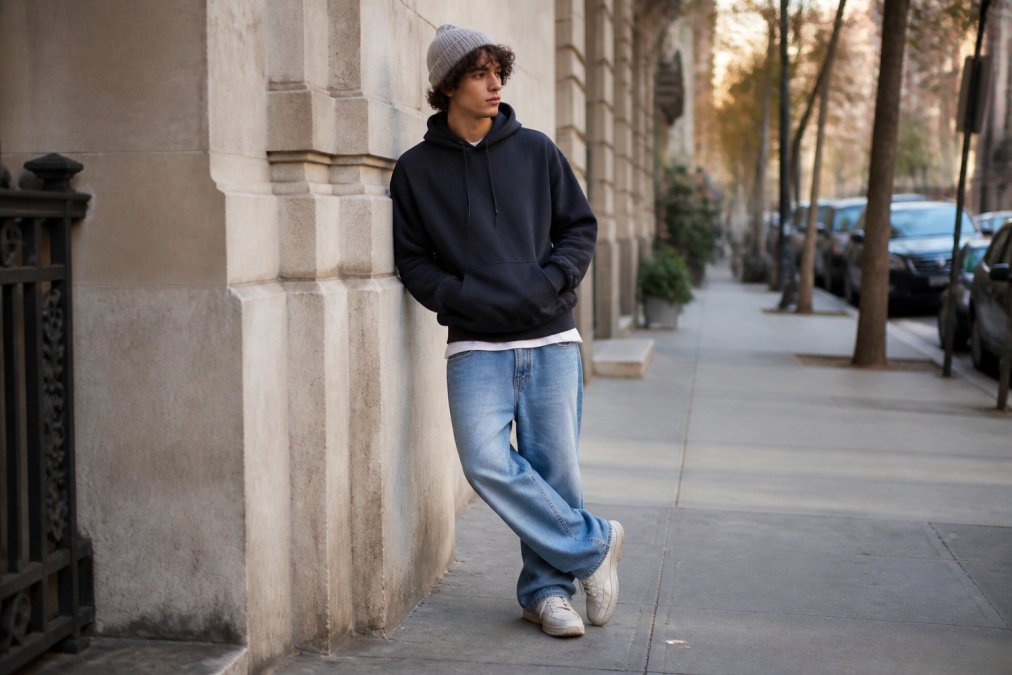
A simple formula works for most days:
- Pick a hoodie or graphic tee as the base layer
- Add relaxed denim or joggers that match the fit
- Choose sneakers that echo one color from the top
- Finish with a beanie, cap, or a light overshirt
- Keep the palette to two or three colors
The mistake most people make is stacking every statement piece at once. One bold item per outfit reads as intentional. Three reads as noise.
The Digital Culture and Sustainability Shift
Most guides stop at the historical origins of these two terms. The bigger story in 2026 is how digital platforms compressed the trend cycle and how that compression collided with sustainability expectations. This is the part of the comparison almost no competitor covers, and it changes how you should shop.
How the algorithm blurred the line. Street style used to spread through print and street photography on a seasonal rhythm.
What to actually look for.
- Fabric weight and content. Heavier cotton holds shape; thin blends pill and stretch out.
- Construction details. Taped seams, double-lined hoods, and ribbed cuffs and hems extend garment life.
- Repairability. A hoodie with a standard drawcord and replaceable hardware is easier to keep alive than one with glued or fused trim.
- Resale value. Pieces from established streetwear brands often hold resale value, which offsets the upfront cost if you ever sell.
- Wear count, not haul count. Track how often you actually wear a piece. If it sits unworn for a month, it was a trend purchase, not a wardrobe purchase.
The bottom line: digital culture made both terms faster and blurrier. Sustainability is the filter that separates the pieces worth keeping from the ones the algorithm talked you into. Buying fewer, heavier, better-constructed garments is the only strategy that works for both your wallet and your wardrobe.
Streetwear vs Fast Fashion and High Fashion
Streetwear sits between two poles, and the gap on either side explains why quality varies so much. Fast fashion copies the look at low cost with thin materials and short garment life. High fashion borrows the silhouette but rebuilds it with tailored fits and luxury pricing.
| Attribute | Streetwear | Fast Fashion | High Fashion |
|---|---|---|---|
| Price point | Mid | Low | High |
| Fabric weight | Heavier, durable | Thin, light | Premium |
| Design source | Subculture | Copies trends | Sets trends |
| Lifespan | Years | Months | Years |
| Accessibility | Broad | Broad | Limited |
Conclusion
The street style vs streetwear distinction comes down to one question: are you choosing a garment or a way of wearing it? Streetwear gives you the pieces. Street style gives you the freedom to combine them on your own terms.
Frequently Asked Questions
What is the main difference between street style and streetwear?
Streetwear is a specific fashion category rooted in skateboarding and hip-hop culture, defined by casual wear like hoodies, graphic tees, and sneakers. Street style is a broader term for how people interpret fashion trends in real life, often captured outside fashion shows. Streetwear is the product; street style is the personal expression of wearing it.
What are the essential streetwear wardrobe staples I should own?
Start with a quality hoodie, like the Dreamy Original Hoodie made from 10oz cotton, paired with graphic tees and relaxed-fit jeans. Add a beanie such as the Beanie Dream for colder months. These pieces form the foundation of a versatile streetwear rotation that works for everyday wear without feeling trend-driven.
Does streetwear have to be expensive?
No. Streetwear began as accessible, street-level fashion for skaters and hip-hop fans. You can build a solid wardrobe with affordable basics like the Dreamy Tye Dye Hoodie at $60. The key is fit and personal expression, not price tags. Economic accessibility remains a core value of the culture.
Can you mix street style and streetwear in one outfit?
Absolutely. Street style is about how you wear an outfit, so pairing a structured streetwear hoodie with tailored pants or a blazer creates a high-low mix that reads as personal style. The contrast between oversized silhouettes and tailored fits is a common street style approach that lets you express individualism.
Is street style a specific fashion subculture?
Street style is not a single subculture. It is a documentation of how people from many subcultures, including skateboarding, hip-hop, and punk, dress in daily life. Streetwear is the product category born from those subcultures. Street style captures the styling; streetwear supplies the apparel.
Leave a comment