

How to Measure for Accurate Online Sizing
Table of Contents
- What You'll Need Before You Start
- How to Measure Your Bust and Chest
- How to Measure Your Waist
- How to Measure Your Hips
- How to Measure Inseam for Pants
- How to Use a Clothing Size Chart
- Body Measurement Tips for Online Shopping
- Common Mistakes to Avoid When Measuring
Last Updated: August 28, 2026
What You'll Need Before You Start
Getting accurate measurements before you shop online starts with having the right tools. You'll need a soft, flexible measuring tape (the kind used for sewing, not a rigid metal one), a mirror, and ideally a second person to help. If you're measuring alone, a full-length mirror becomes essential so you can see the tape placement and ensure it's level.
Wear fitted clothing or underwear while measuring. Baggy clothes will throw off your numbers significantly. Stand on a flat surface in your normal posture, not sucking in your stomach or arching your back unnaturally. This is the posture you'll actually wear clothes in, so your measurements need to reflect reality.
Keep a pen and paper nearby to write down each measurement immediately. Don't rely on memory. If you're shopping at World of Dreamy or any other online retailer, you'll want these numbers handy when you're comparing their size chart to your body dimensions. Having everything documented prevents the frustration of ordering clothes that don't fit because you guessed at a measurement or misremembered a number.
The measuring tape should sit snug against your skin but not compress the flesh. This is the single most important rule for measurement accuracy. A tape that's too loose will give you inflated numbers; one that's too tight will give you numbers that don't match how clothes will actually fit on your body.
How to Measure Your Bust and Chest
The bust measurement is taken around the fullest part of your chest. For women, this is typically at the nipple line. For men, measure across the chest at the widest point. Wrap the measuring tape horizontally around your body, keeping it level across your back. The tape should be snug but not compressing your chest.
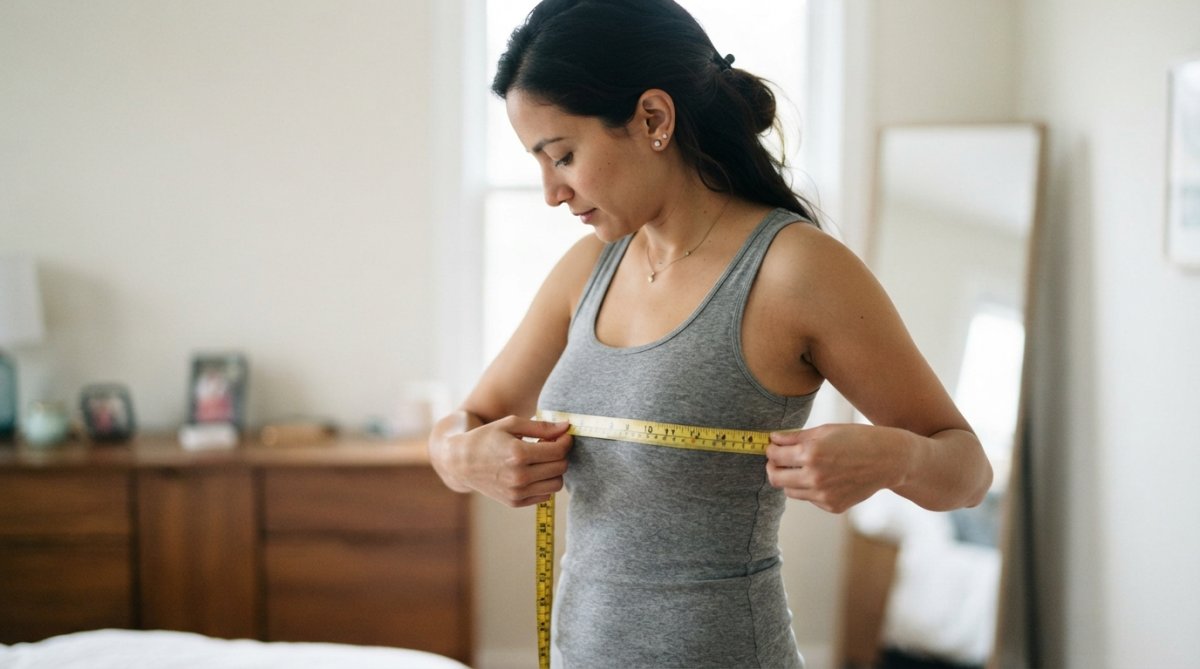
Many people make the mistake of measuring too high or too low. If your tape is angled or uneven, your measurement will be off by half an inch or more. A helper makes this easier, they can check that the tape is level while you stand still. If you're measuring alone, use your mirror to verify the tape position before you read the number.
Write down the measurement where the tape overlaps. Don't round up or down. If the tape falls between two quarter-inch marks, estimate to the nearest quarter inch. Online retailers use precise size charts, and even a quarter-inch difference can determine whether a garment fits you properly or feels too tight in the chest.
This measurement is crucial for tops, dresses, and jackets. When you check a clothing size chart, the bust measurement is often the primary deciding factor for fit. World of Dreamy's size charts, like most retailers, use bust circumference as a key reference point for their apparel sizing.
How to Measure Your Waist
Find your natural waist by bending to one side slightly until you feel the crease. This is where your waist naturally cinches, not where your pants typically sit. Measure around this point with your tape horizontal and level all the way around.
Keep the tape snug but not tight. Your waist measurement should reflect how a fitted garment will feel when worn comfortably. If you pull the tape too tight, you'll end up ordering clothes that feel restrictive. If the tape is too loose, the clothes will be too big.
Many online shoppers measure their waist where their pants sit, which is usually lower than the natural waist. This creates a mismatch with size charts, which almost always reference the natural waist. Check the specific retailer's size chart to confirm whether they're measuring at the natural waist or the hip area. Most standard clothing measurements use the natural waist.
Write down your waist measurement and note whether you measured at your natural waist or elsewhere. If you're comparing multiple retailers' size charts, consistency in where you measure matters enormously. A one-inch difference in waist measurement can move you between two different sizes, so accuracy here directly impacts fit (the FTC).
How to Measure Your Hips
Stand with your feet together and wrap the measuring tape around the fullest part of your hips. This is usually several inches below your waist. Keep the tape level and parallel to the ground all the way around your body.
The hip measurement is critical for pants, skirts, and fitted dresses. Many sizing inconsistencies across brands happen because different manufacturers measure hips at slightly different points. Some measure at the hip bone, others at the fullest part of the buttocks. Check the retailer's size chart to see exactly where they're measuring.
The tape should be snug without compressing your hip area. Stand in a natural, relaxed posture. Don't tilt your pelvis forward or backward. Your hip measurement will determine whether pants fit through the thigh and seat comfortably.
Write down your hip circumference. If you have a curvier silhouette, this measurement becomes even more important because fit issues often show up first in the hip and thigh area. When you're shopping for pants or fitted bottoms online, the hip measurement is often the deciding factor between a good fit and a return.
How to Measure Inseam for Pants
The inseam is the length of your pants from the crotch line down to your ankle. This measurement determines whether pants will be the right length or require tailoring. Stand in flat shoes or barefoot on a flat surface. Have your helper measure from your crotch line straight down the inside of your leg to your ankle bone.
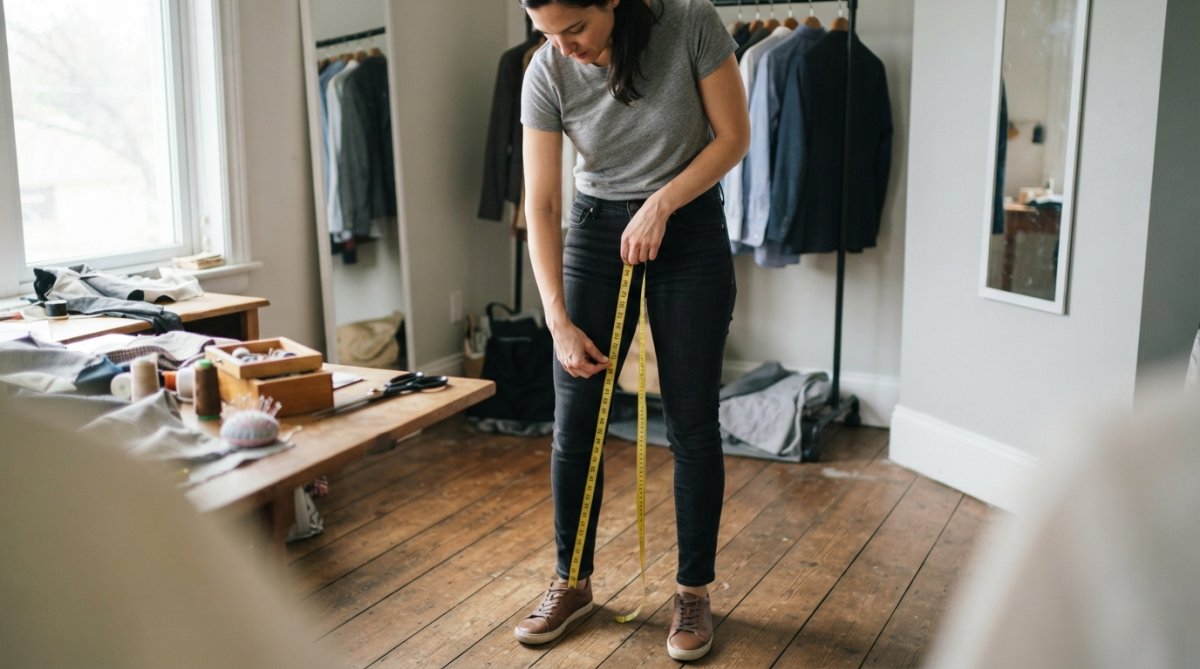
If you're measuring alone, this is one area where getting help makes a real difference. You can't easily see the crotch line or the measurement while standing. If you must measure yourself, sit down and measure from your hip bone down to your ankle, then add about one inch to account for the difference.
The inseam is typically 28 to 36 inches for most adults, depending on height (peer-reviewed research). Don't estimate based on your height alone, two people of the same height can have different inseams depending on their proportions. Some people have longer torsos and shorter legs, while others are the opposite.
Write down your inseam measurement. When ordering pants online, the inseam is usually listed as a separate dimension from the waist size. Many retailers offer multiple inseam lengths for the same waist size, which is why getting this measurement right prevents ordering pants that pool at your ankles or hit mid-calf.
How to Use a Clothing Size Chart
Every online retailer has a size chart, and they're not all the same. Before you order anything from World of Dreamy or any other clothing store, find their size chart and compare your measurements to their numbers. Size charts typically show measurements for each numeric or letter size they offer.
Look for the specific measurements your retailer uses. Most include bust, waist, and hip measurements. Some include sleeve length, torso length, or inseam. Match your measurements to the row that corresponds to your body dimensions. If your bust is 36 inches and their size medium shows 36 inches, that's your size for that garment.
Size charts often vary by garment type. A size medium in a t-shirt might fit differently than a size medium in a fitted dress. Check the size chart for the specific item you're buying, not just the general women's or men's sizing. This is where many online shoppers go wrong, they assume a size medium is universal, but it's not.
Pay attention to how the retailer measures. Some measure bust at the nipple line, others at the widest point. Some measure waist at the natural waist, others at the hip. Read the notes on the size chart carefully. If the chart says "measured at the hip," adjust your expectations accordingly. This attention to detail prevents ordering the wrong size.
When your measurements fall between two sizes, consider the garment type. For fitted items like dresses or tailored shirts, choose the larger size. For looser items like t-shirts or hoodies, the smaller size often works fine. The fabric composition also matters, a stretchy knit will feel different than a rigid cotton.
Body Measurement Tips for Online Shopping
Understanding your body shape helps you interpret size charts more accurately. If you have a pear shape, your hip measurement will be significantly larger than your bust. If you have an apple shape, your waist and bust measurements are closer together. A rectangular body shape has similar measurements across bust, waist, and hip.
Knowing your body shape helps you predict fit issues before they happen. If you're pear-shaped and ordering from a brand that cuts generously in the hip, you might need to size up. If you're apple-shaped and a brand runs small in the waist, sizing up one size might be necessary. This is where experience with a particular retailer's cuts becomes valuable.
Different fabrics behave differently on the same body. A cotton t-shirt will fit differently than a polyester blend in the same size. Stretchy fabrics like spandex blends accommodate a wider range of body shapes than rigid fabrics. When you're reading a size chart, consider the fabric content. A tight-fitting dress in a non-stretch fabric needs to be more precise than a loose-fitting knit dress.
Keep a record of what sizes fit you at different retailers. You'll start to notice patterns. Maybe you're a medium at one brand and a large at another. Maybe certain retailers run small in the chest but large in the waist. This data becomes invaluable for future shopping. World of Dreamy's diverse apparel selection means you might wear different sizes across their different collections, track what works for you.
Seasonal variations in sizing exist. Summer clothing often runs smaller and more fitted. Winter items like hoodies and sweatshirts run larger for layering. Check the specific garment's size chart rather than assuming your usual size will work year-round.
Common Mistakes to Avoid When Measuring
The most common mistake is measuring over loose clothing. Your measurements need to reflect your actual body dimensions, not how your clothes fit. Measure in fitted clothing or underwear only. This single adjustment eliminates most sizing errors people experience when shopping online.
Another frequent error is measuring with the tape too loose or too tight. The tape should be snug enough that it doesn't slip but not so tight that it compresses your skin. If you're unsure, measure twice and make sure you get the same number both times. Consistency indicates proper tape tension.
Many people measure their waist where their pants sit rather than at their natural waist. This creates a mismatch with standard size charts. Find your natural waist by bending slightly to the side until you feel the crease. That's where you should measure, unless the retailer specifically states otherwise in their size chart.
Rounding measurements is another problem. If your bust measures 35.5 inches, don't round it to 36. Use the actual measurement when comparing to size charts. That half-inch difference can determine whether you're between sizes, which helps you make the right decision about sizing up or down.
Measuring in different postures gives different results. If you measure standing one time and sitting another time, your numbers will vary. Always measure standing in your normal, relaxed posture. This is how clothes will fit on you in real life.
Taking measurements at different times of day can also throw off your numbers. Your body measurements can vary slightly depending on whether you've eaten, how much water you've drunk, and where you are in your menstrual cycle if applicable (peer-reviewed research). Measure at the same time of day for consistency. Morning measurements are typically the most stable.
Not checking the specific retailer's size chart is a critical mistake. Assuming your usual size will work everywhere leads to returns and frustration. Every brand cuts differently. A size medium at one retailer might be completely different from a size medium elsewhere. Always consult the specific size chart for the item you're buying.
Ignoring fabric content is another oversight. A stretchy knit in size medium will fit differently than a non-stretch cotton in size medium. If a garment is made from fabric with significant stretch, you might be able to size down. If it's made from rigid, non-stretch material, you might need to size up. The fabric composition changes how you should interpret the size chart.
Getting the right fit online comes down to accurate measurements and understanding how to use a size chart. Take your time measuring, the extra five minutes you spend now prevents the frustration of returns and exchanges later. When you're ready to shop at World of Dreamy, use these measurements against their size charts to find pieces that fit your body properly. The 25% discount offer makes it even more worthwhile to get your sizing right the first time, so you can keep what you order and actually wear it.
Frequently Asked Questions
How do I measure size for online shopping to avoid returns?
Take your body measurements while wearing lightweight clothing or undergarments, not bulky layers. Use a soft measuring tape and keep it snug but not tight around your body. Always measure the fullest part of each area, bust, waist, and hips, and compare your measurements directly to the size chart provided by the retailer. Write down each measurement and double-check before ordering. This approach significantly reduces sizing errors and returns.
Should I measure my body or measure a reference garment that already fits well?
Measuring your body is more reliable for online shopping. While measuring a garment you already love can help, sizing inconsistencies across brands mean it may not match other brands' size charts. For the most accurate fit, take your own body measurements and compare them to the retailer's specific size chart. If you do measure a reference garment, lay it flat on a surface and measure from seam to seam, never while wearing it.
Why do clothing sizes vary so much between different brands?
Sizing inconsistencies happen because there's no standardized sizing in the fashion industry. Different brands use different sizing standards, and factors like fabric stretch, garment construction, and design philosophy all affect how pieces fit. A size medium at one brand might fit like a small at another. This is why comparing your body measurements to each brand's unique size chart is essential rather than relying on your typical size number.
What's the correct tape tension when measuring for accurate online sizing?
Your measuring tape should be snug against your skin but not pulled tight or compressed. You should be able to fit one finger comfortably under the tape. Too loose and your measurements will be larger than your actual dimensions; too tight and you'll get measurements that are too small. Consistent tape tension across all measurements ensures accuracy and helps you match the size chart correctly.
This article was written using GrandRanker
Leave a comment